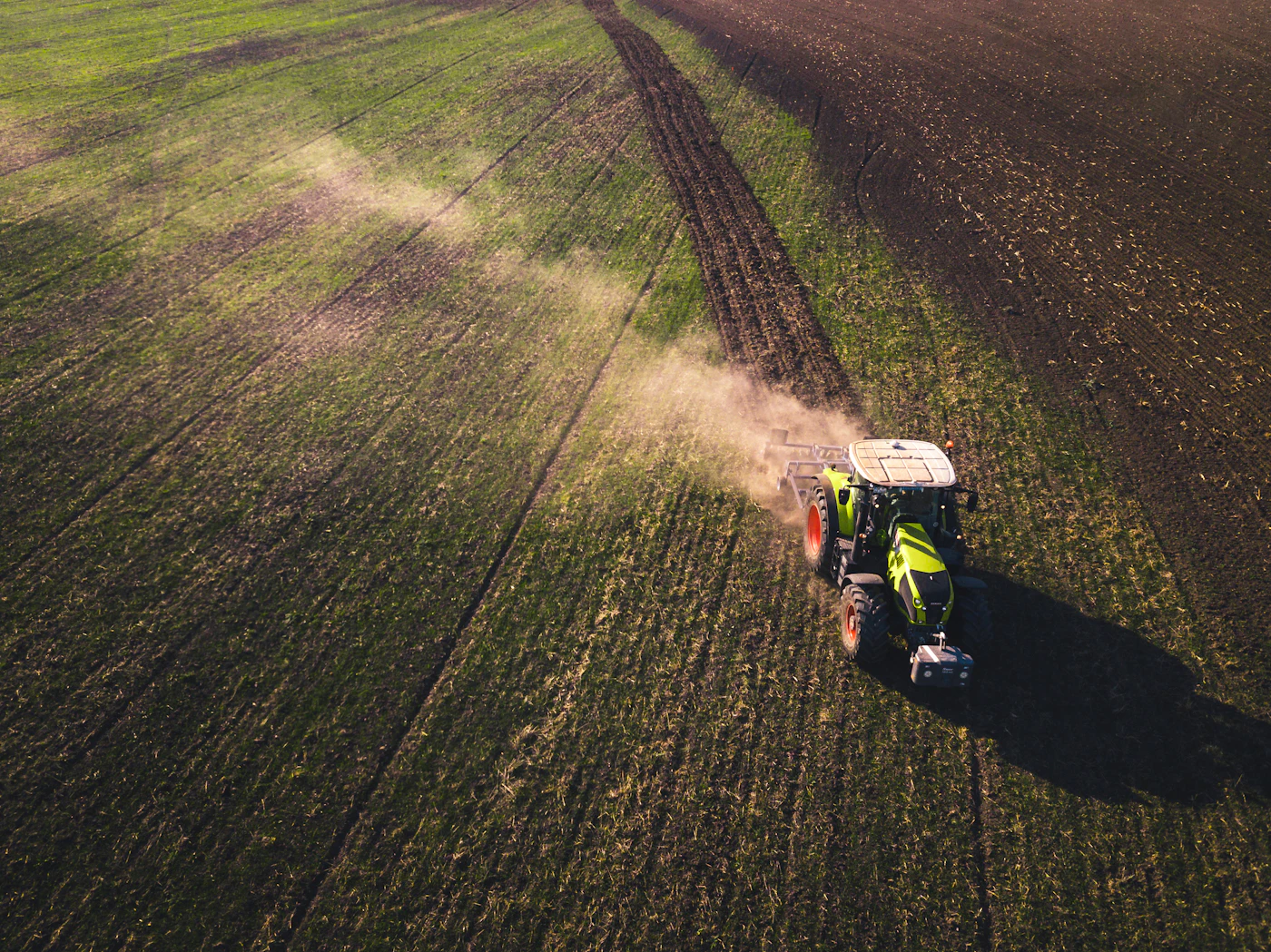
Three seasons back we stopped farming by hunch. Every tractor now follows satellite lines, each watering block reports its own dampness, and a drone surveys the whole farm before breakfast every other Friday. The payoff isn't a shelf of gadgets — it's steadier calls, made sooner, on sounder evidence.
Straight lines save more than fuel
Satellite steering cut about a fifth of our overlaps and skips. That saving alone covered the receivers in eighteen months. The deeper gain is evenness: sowing depth, wheel lines and compost rates repeat pass after pass, so trials read true and weak patches can't hide.
Kit earns its keep when a grower believes the screen enough to move a day sooner — that single day is where the harvest sits.
Sensors beat the rota
Watering once ran on a fixed round. Now forty buried probes say which blocks are truly thirsty, and weather-fed scheduling sets the dose. Vegetable water use is down a third, and root sickness — the classic mark of watering from habit — has all but left the riverside ground.
What we'd change next time
Fewer sensors, earlier. Our first fit-out covered everything and showed that ten well-sited probes outperform fifty trendy ones. Begin with your trickiest block, learn its moods, then spread. The screen matters less than the habit of studying it over morning coffee.
If you farm within a day's drive, come see the setup working — the barn kettle is always on. And if you want the same stack installed on your own land, our Agri-Technology Innovations team does exactly that, with two seasons of hand-holding included.